
There is a unique stillness that comes with opening a tea container that has been tucked away for a decade or more. Most teas are a race against time; you buy them fresh, drink them quickly, and watch their vibrant notes fade within months. But in the world of specialized Chinese tea, time is not an enemy—it is a master craftsman. When we talk about pu erh tea aged to perfection, we are talking about a beverage that defies the standard rules of the pantry. It is a living, breathing product that develops character, depth, and a physical "energy" that fresh leaves simply cannot replicate.
At Teanleaf, we find that many of our community members start their journey with green or black teas, only to find themselves captivated by the mystery of fermentation. If you have ever wondered why a weathered-looking tea cake can sometimes cost more than a fine bottle of scotch, it all comes down to the slow, transformative journey the leaves take over the years.
The Transformation of the Raw Leaf
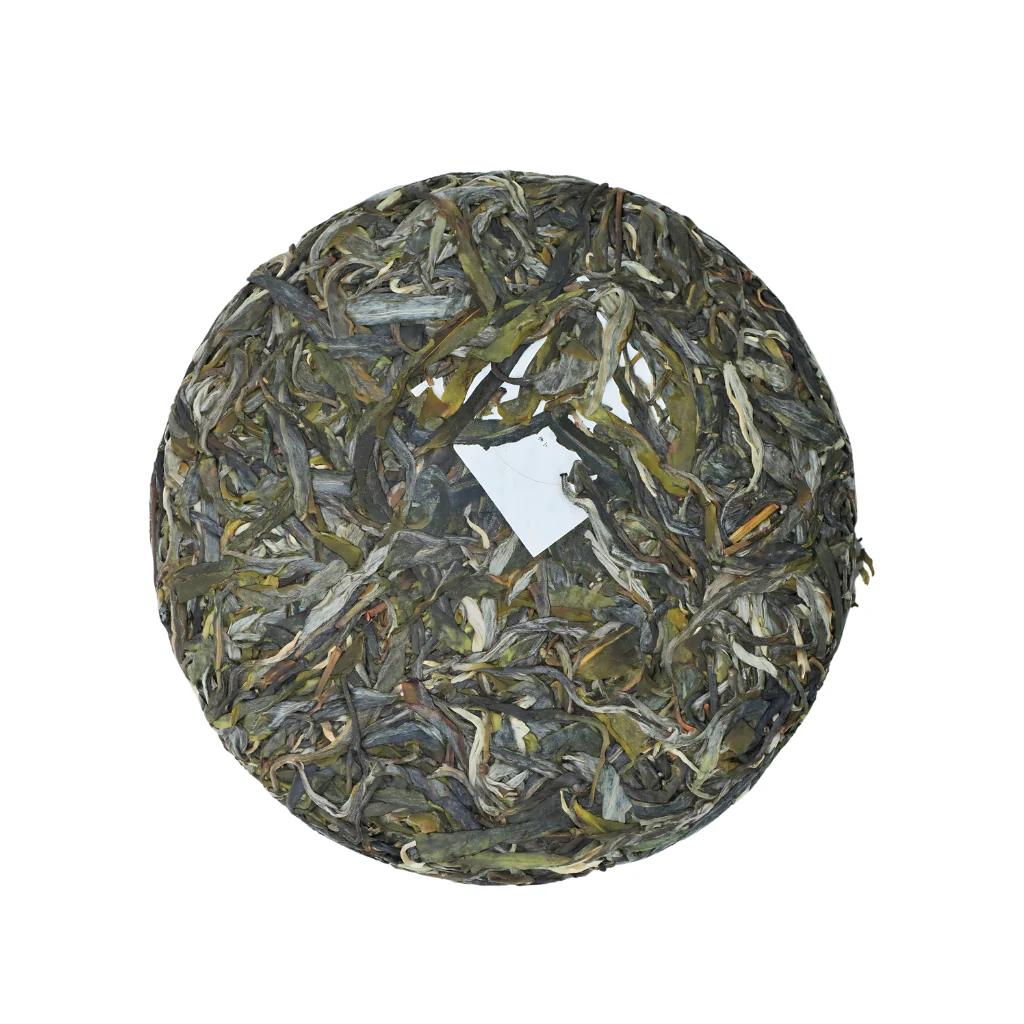
To understand the magic, we have to look at the starting point. Unlike ripe pu erh, which is accelerated through a moist-piling process to mimic age, aged raw pu erh tea follows the traditional, slow path. When it is young, this tea is feisty. It is often described as grassy, floral, and punchy, with a bitter edge that can be quite intense for the uninitiated.
However, as the years pass, a natural oxidation and slow fermentation take place. The harsh tannins soften, the bright green hues turn to a deep amber or burnt orange, and that initial bitterness transforms into a complex, lingering sweetness. This is the "living" aspect of the tea. The enzymes within the leaves continue to work long after the tea has been pressed into a cake, slowly breaking down complex molecules into smoother, more aromatic compounds.
A Sensory Journey Through the Decades
When you brew a cup of pu erh tea aged for twenty years, the experience is multi-sensory. The first thing you notice is the aroma. It moves away from the scent of fresh hay and toward notes of camphor, sandalwood, dried dates, or even "chen xiang"—the scent of aged incense.
The texture of the tea changes as well. High-quality aged raw pu erh tea develops a "thick" mouthfeel. It feels velvety on the tongue, almost like a light broth rather than just flavored water. This is often where tea lovers discover "Hui Gan," the cooling, sweet aftertaste that rises from the throat after you swallow. It is a physical sensation that stays with you long after the session has ended.
The Importance of Proper Storage
You might be tempted to tuck a tea cake away in the back of a kitchen cabinet and forget about it, but aging tea is a bit more nuanced than that. For a tea to age gracefully, it needs a stable environment. Think of it like a humidor for cigars or a cellar for wine.
The tea needs a bit of airflow iit shouldn't be sealed in an airtight plastic bag—but it also needs protection from strong odors. If you store your tea next to your spice rack, your twenty-year-old vintage will eventually taste like cumin and turmeric. At Teanleaf, we recommend a cool, dark place with a relatively stable humidity. In the right conditions, the tea will develop a clean, deep profile; in the wrong conditions, it can become flat or, worse, develop a musty "basement" taste that masks the quality of the original leaves.
Why Patience is a Virtue for Collectors
There is a significant thrill in the "long game" of tea collecting. Many enthusiasts will buy two or three cakes of a young aged raw pu erh tea and drink one over the course of a year, while leaving the others to sit. Every year or two, they break off a small piece to see how it has evolved.
This process connects you to the geography of Yunnan and the passage of time in a way few other hobbies can. You begin to notice how a particularly rainy harvest year might result in a tea that ages differently than one from a dry, hot year. You become a collaborator in the tea’s history.
Health and Vitality in Every Steep
Beyond the flavor, many people seek out pu erh tea aged for its perceived wellness benefits. In traditional Chinese culture, aged tea is often considered "warmer" for the body. While young raw tea can be quite stimulating and sometimes tough on a sensitive stomach, aged tea is known for being incredibly gentle.
It is the ultimate digestif. After a heavy meal, the dark, rich liquor helps settle the stomach and provides a calm, focused clarity. Many tea drinkers also talk about "Cha Qi," or the tea’s energy. With older teas, this energy tends to be more grounded and relaxing, making it the perfect companion for a quiet afternoon of reading or meditation.
Finding Your Perfect Vintage
Starting your collection doesn't require a massive investment, but it does require a curious palate. We always suggest starting with samples. Try a five-year-old raw tea, then compare it to a fifteen-year-old version of the same mountain’s harvest. You will quickly begin to recognize the "aged" signature—that earthy, woody, and sweet profile that defines the category.
At Teanleaf, we are committed to sourcing teas that have been stored with care, ensuring that every leaf reflects its true potential. The world of aged tea is vast, and every cake is a new chapter to explore.
Write a comment ...