
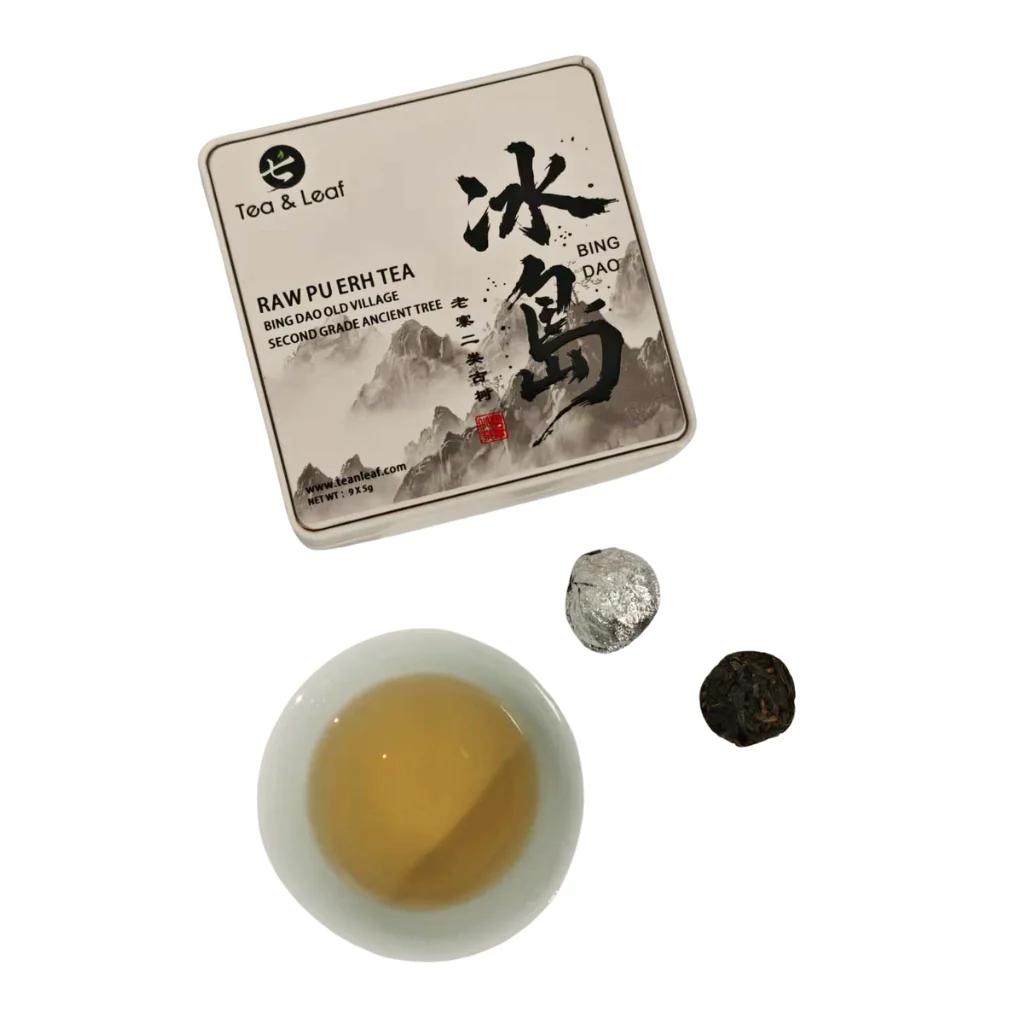
I still remember my first encounter with raw pu-erh. I was expecting something dark and earthy, like the ripe pu-erh I had tried before. Instead, the liquor was pale gold, almost like a young oolong. The aroma was fresh, floral, with a hint of something herbal I could not quite name. The taste surprised me most. There was bitterness, yes, but it was alive, bright, and followed by a sweetness that lingered long after the sip.
That is the moment I understood why people dedicate years to studying this tea. Raw pu-erh is not a static thing. It is a journey in a cup.
If you are curious about pu erh tea raw or simply want to understand pu erh tea better, you are exploring one of the most fascinating categories in the tea world. Let me walk you through what makes it special and how to begin appreciating its depth.
What Exactly Is Pu-erh Tea?
Before we dive into raw pu-erh specifically, let us establish what pu-erh tea actually is. It comes exclusively from Yunnan province in southwestern China, made from large-leaf tea trees known as Camellia sinensis var. assamica . These ancient trees, some hundreds of years old, produce leaves with a depth and complexity that smaller-leaf varieties cannot match.
Pu-erh is unique among teas because it is intentionally aged or fermented. Most teas are best consumed fresh, within a year or two of harvest. Pu-erh, particularly raw pu-erh, can improve for decades with proper storage.
There are two main types of pu-erh: raw, called sheng, and ripe, called shou. They start from the same raw material but take completely different paths. Raw pu-erh is the traditional form, made for centuries. Ripe pu-erh was developed in the 1970s to satisfy demand for aged flavour without waiting decades .
How Raw Pu-erh Is Made
Understanding how pu erh tea raw is made helps explain why it tastes the way it does and why it can age so gracefully.
The process begins with plucking fresh leaves from ancient tea trees in Yunnan's high mountains. These leaves are larger and thicker than those used for most other teas, packed with the compounds that will eventually create complexity.
After plucking, the leaves are withered briefly to reduce moisture. Then comes the kill-green step, where they are pan-fired to stop oxidation. This is similar to how green tea is made, which is why young raw pu-erh can taste surprisingly fresh and vegetal .
Next, the leaves are rolled, which breaks cell walls and releases enzymes and juices that will influence future aging. Then they are spread in thin layers and sun-dried, producing a coarse, rough tea called maocha .
Finally, the maocha is steamed to soften it, then pressed into cakes, bricks, or other shapes. These compressed forms are easier to store and transport, and they also influence how the tea ages .
At this point, the tea is raw pu-erh, ready to be drunk young or set aside for years of transformation.
The Flavour of Young Raw Pu-erh
If you try a young pu erh tea, do not expect the dark, earthy notes often associated with pu-erh. Young raw pu-erh is surprisingly fresh and vibrant.
The first infusions bring grassy, floral notes with a noticeable edge of bitterness . You might detect orchid, wild herbs, or green apple. There is a lively, almost sharp quality that some find challenging at first. This is not a flaw. It is the tea expressing its mountain origin and youthful energy.
As you continue steeping, the character shifts. The bitterness fades, replaced by a smoother, sweeter profile. This journey from sharp to sweet has a name in Chinese tea culture: 苦尽甘来 (kǔ jìn gān lái), meaning "bitterness ends, sweetness comes."
One reviewer described a young sheng as having notes of "fruit jam, with slight notes of peach and dried apricots" alongside its herbal freshness . Another found "floral, herbaceous, and slightly woody" characteristics . The range is remarkable.
Aged Raw Pu-erh: When Time Transforms
Here is where pu erh tea raw truly distinguishes itself from other teas. With proper storage, raw pu-erh can age for decades, developing complexity that no other tea matches.
As years pass, the bright green leaves turn amber or reddish-brown. The liquor deepens from pale yellow to rich orange or amber. The flavour transforms from sharp and floral to mellow, woody, and sometimes fruity.
Notes of camphor, sandalwood, ginseng, or dried dates may emerge. A well-aged sheng develops a prized quality called "Chen Yun" (陈韵) or "aged charm" . It is the elegant, harmonious voice of time in a cup. The mouthfeel becomes thick and silky.
One experienced drinker, reviewing a 2009 aged raw pu-erh, described its evolution across infusions: first earthy with lingering astringency, then mellow earthiness and mushroom notes, followed by nuttiness, and finally hints of floral and mineral . That is the complexity aged raw pu-erh offers.
Raw Versus Ripe: Understanding the Difference
If you are new to pu erh tea, you might wonder which type to try first. Both have passionate advocates, and both offer wonderful experiences.
Raw pu-erh is vibrant, complex, and constantly evolving. It rewards patience and attention. Young raw teas can be challenging but offer incredible depth. Aged raw teas are among the most prized and expensive teas in the world.
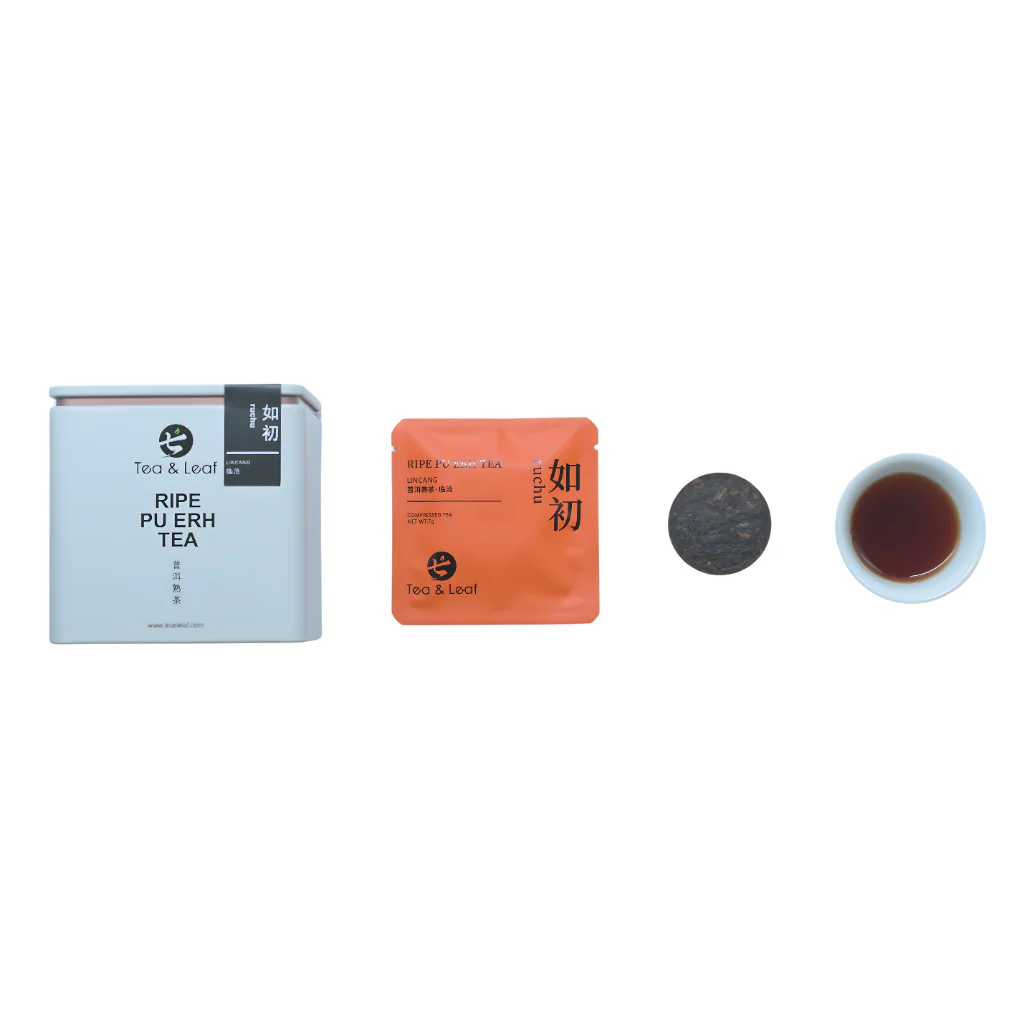
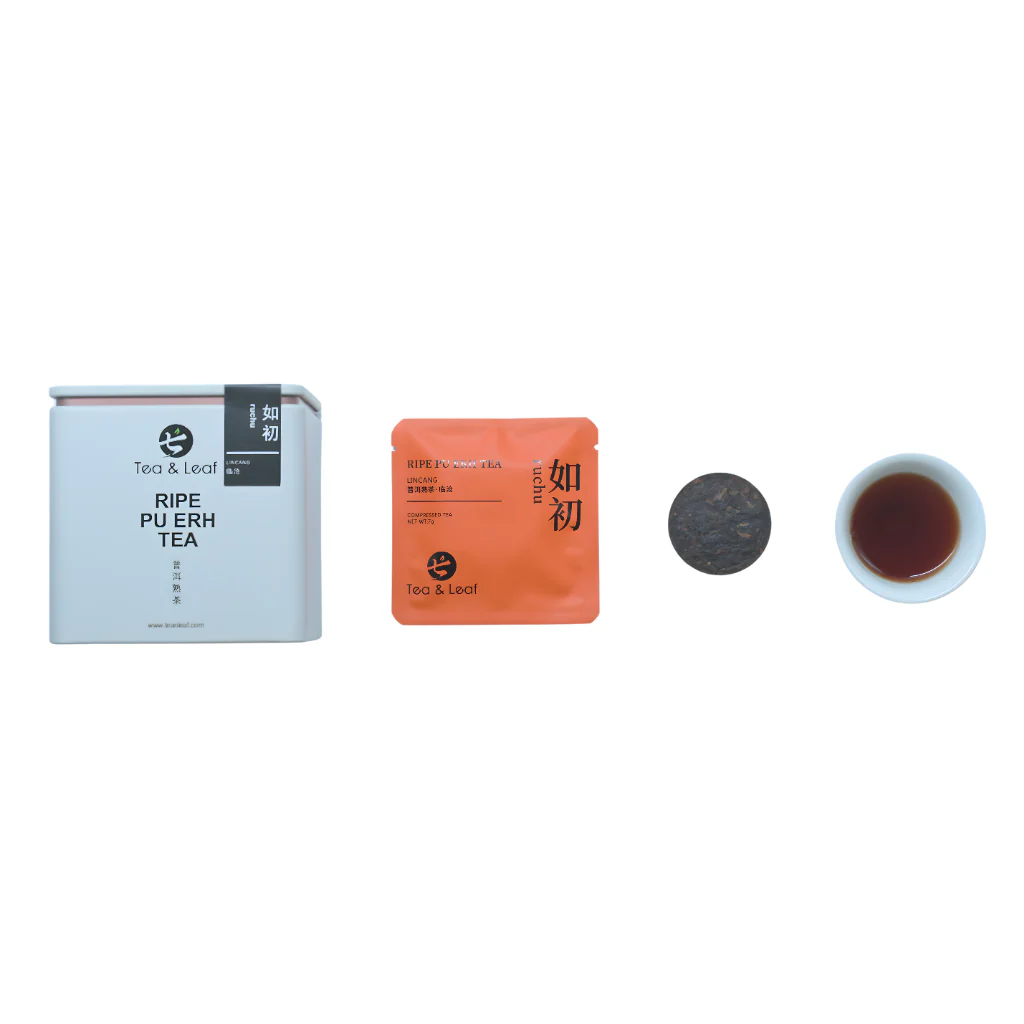
Ripe pu-erh was developed to satisfy demand for aged flavour without waiting decades. It goes through a controlled pile-fermentation process called wo dui that takes about forty-five days, creating a dark, earthy, smooth tea ready to drink immediately .
Ripe pu-erh is more forgiving and accessible. It lacks the sharp edges of young raw tea and offers immediate depth and comfort. Many drinkers start with ripe pu-erh and later develop appreciation for raw.
Both are genuine pu-erh, just different expressions of the same tradition.
Health and Wellness Aspects
Both raw and ripe pu-erh offer health benefits that have been valued in Chinese culture for centuries.
Raw pu-erh has a cooling nature. Because it is not fermented, tea polyphenols that support antioxidant activity are preserved in larger amounts . These compounds help the body detoxify and may help control blood fat. Raw pu-erh also supports digestion of oily foods.
Ripe pu-erh, through fermentation, develops different properties. It is warming and soothing to the stomach. Beneficial microorganisms produced during fermentation may help resolve fat and support gut health.
Modern scientific research confirms that pu-erh tea possesses antioxidative, antimicrobial, and cholesterol-lowering properties, with clinical evidence supporting benefits for metabolic health .
How to Brew Raw Pu-erh
To fully experience raw pu-erh, brewing method matters. Gongfu style, using a gaiwan or small teapot with multiple short infusions, reveals the tea's evolution.
Use water around 95°C, just off boiling. Start with a quick rinse of five to ten seconds to wake the leaves. Then begin steeping, perhaps fifteen to twenty seconds for the first infusion, gradually increasing with each round.
Young raw teas need slightly cooler water and shorter steeps to avoid excessive bitterness. Aged teas can handle hotter water and longer steeps to extract their depth.
Expect ten or more steepings from quality material. Pay attention to how the flavour evolves across infusions. That journey is the point of drinking raw pu-erh.
The Teanleaf Approach
At Teanleaf, we hand-select small-batch pu-erh teas for their depth, balance, and true Cha Qi. We work directly with family tea gardens in Yunnan, sourcing teas with traceable origins and pure craftsmanship.
Our collection includes both young and aged raw pu-erh, as well as carefully selected ripe pu-erh. Each tea is chosen to express the best of its type and origin, from ancient-tree material to well-aged cakes full of wisdom and character.
We believe great tea connects people to place, to tradition, and to moments of quiet presence. That is what we share with every cup.
Ready to Begin Your Journey?
If you are curious about the world of pu erh tea raw or want to explore pu erh tea more deeply, we invite you to try something from our collection. Whether you choose a vibrant young sheng or a mellow aged cake, you are beginning a journey that can last a lifetime.

Write a comment ...